Channel Letters vs. Cabinet Signs: A Sign Shop Guide to Recommending the Right Product

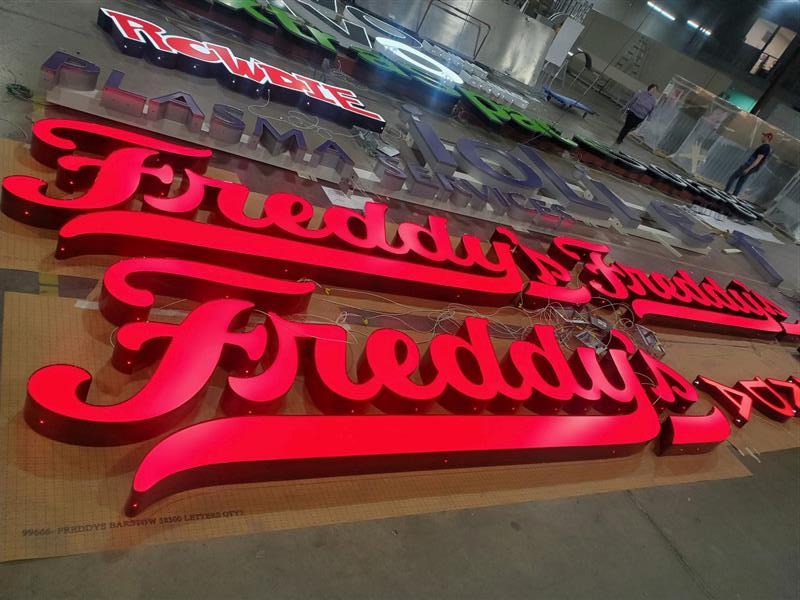
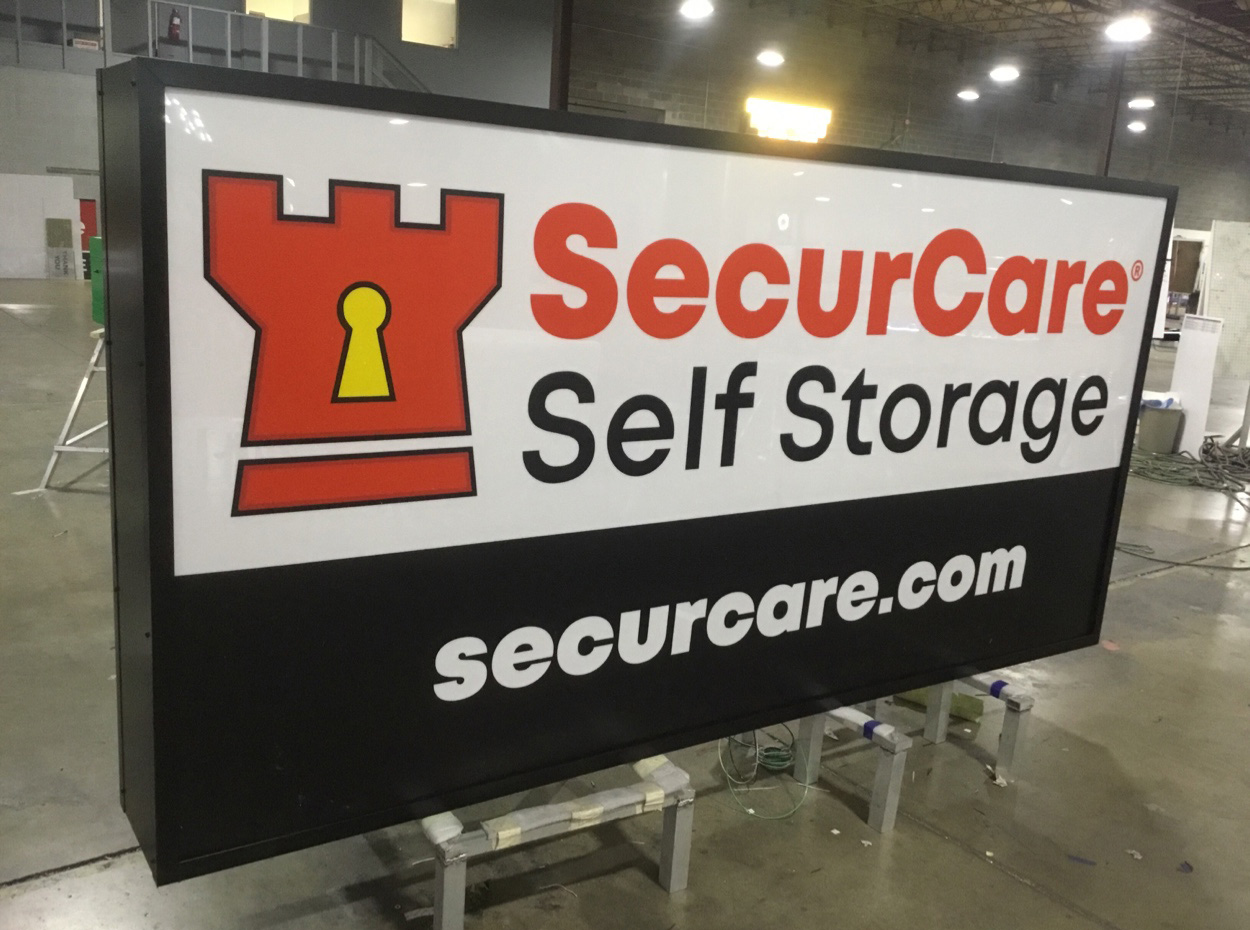
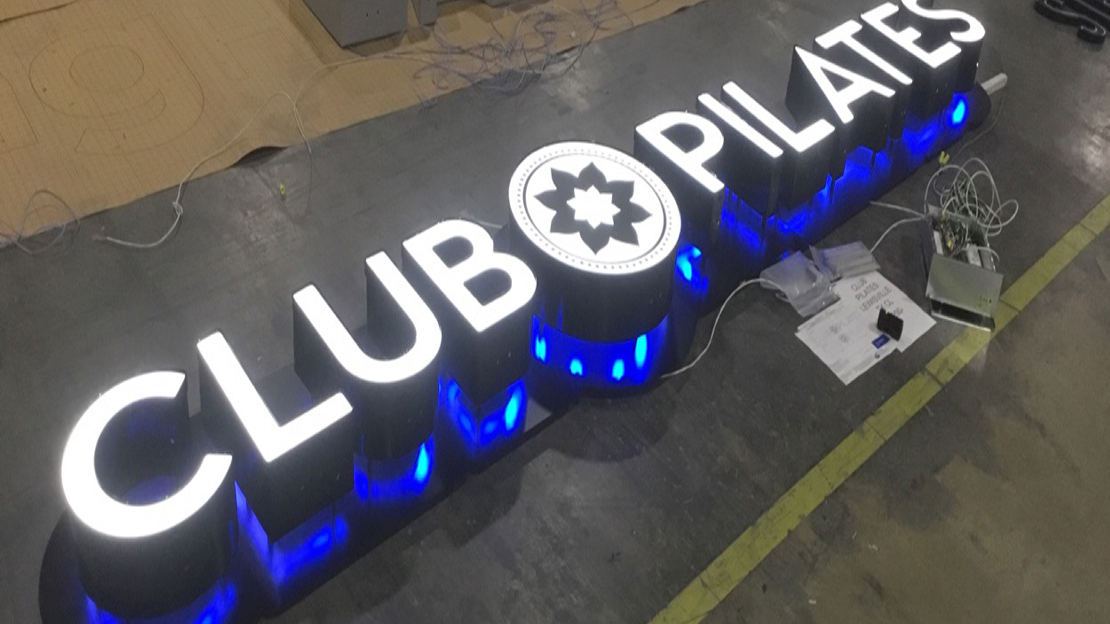
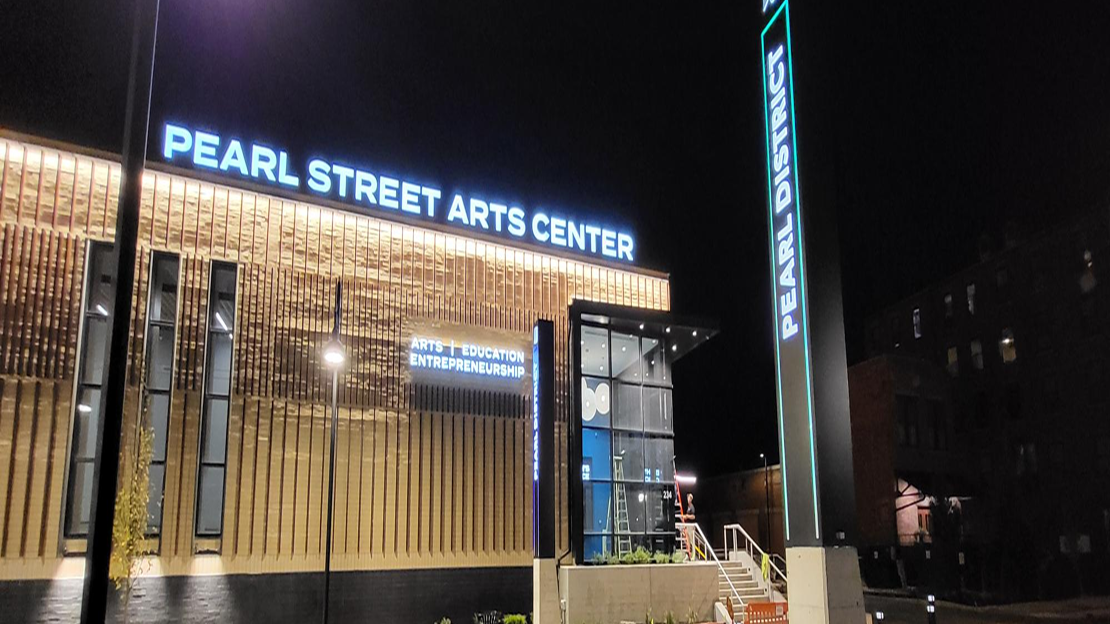
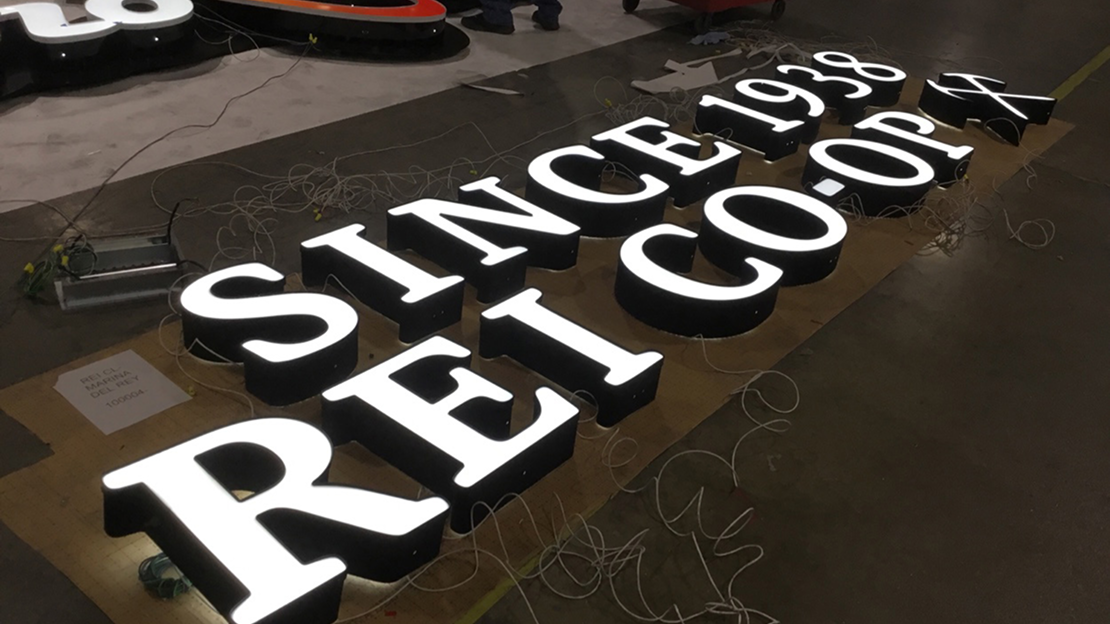
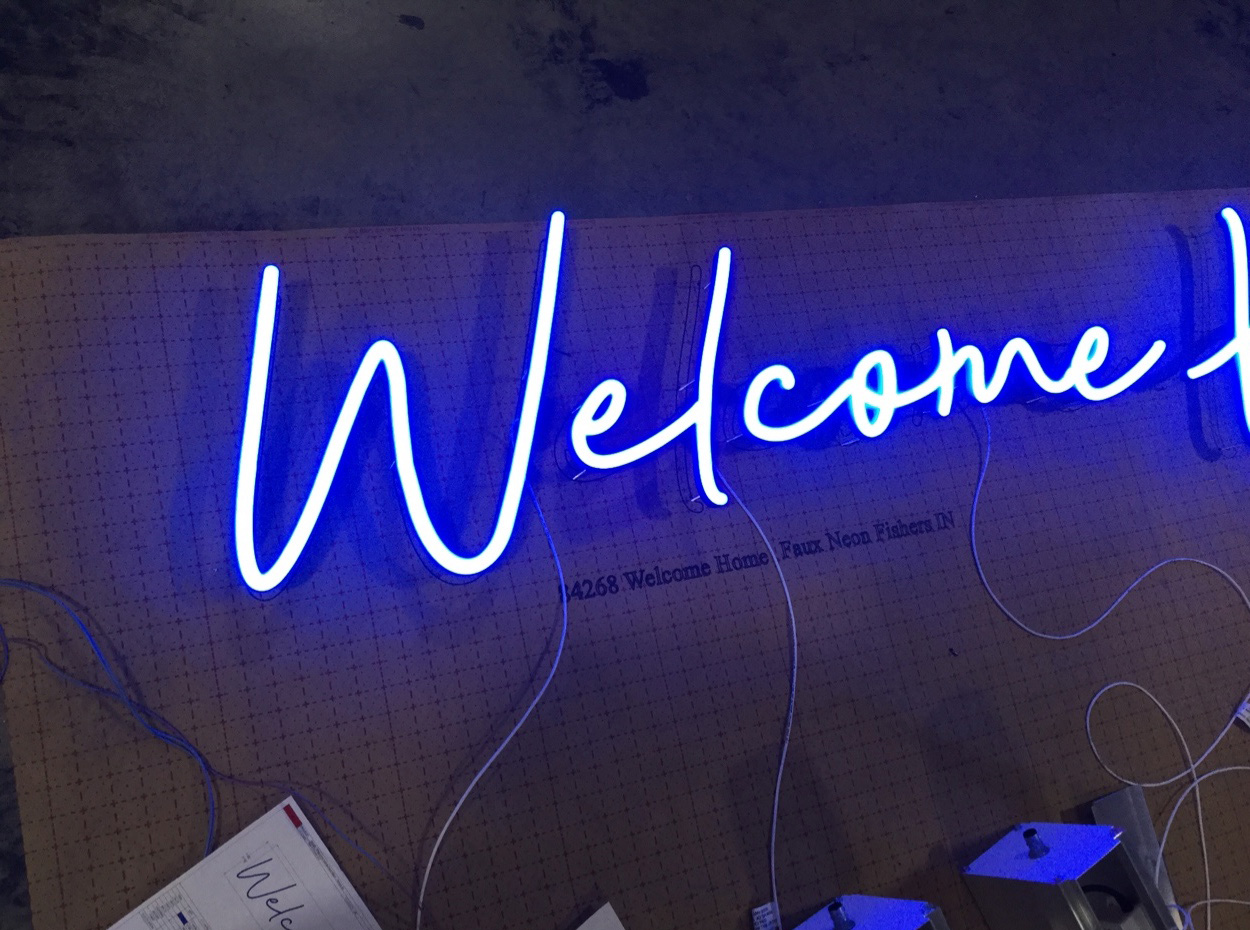
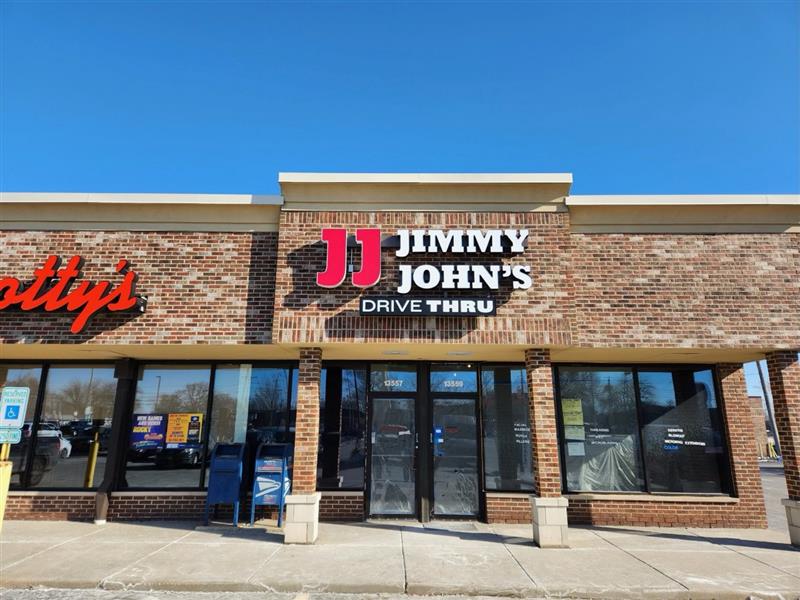
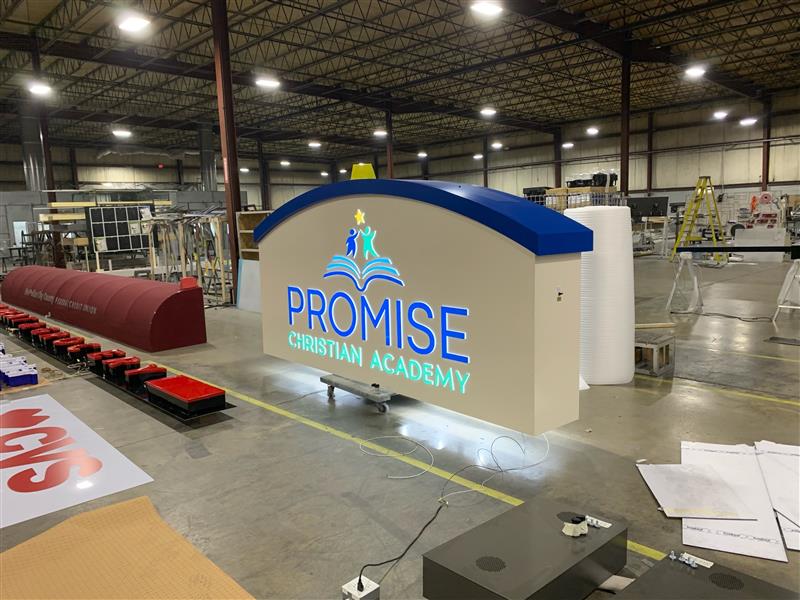
A cabinet sign puts the sign face and illumination inside a single enclosed cabinet. Channel letters are individually fabricated letters or shapes, typically illuminated with LEDs and installed directly to a building or mounted to a raceway.

For sign shops, the practical difference between a cabinet sign and channel letters comes down to the customer’s design, viewing distance, building conditions, budget, and installation requirements. Cabinet signs can put a large amount of information into one highly visible sign structure. Channel letter signage creates an individual-letter appearance that works well when the building itself needs to carry the brand.

Neither product fits every job. Awning Innovations manufactures both, so our team looks at what your customer actually wants and needs rather than trying to force every set of specs into the same fabrication method. We offer four types of sign cabinets as well as five channel letter styles and custom fabrication options.

Channel Letters vs. Cabinet Signs at a Glance

There’s a lot to consider when helping your customer choose the right sign type to represent their business. A lot of those factors center around the fabrication and installation of the sign itself. Here are some key factors:

Consideration Channel Letters Cabinet Signs
Construction Individually fabricated letters or shapes Enclosed cabinet with a decorated sign face 
Appearance Individual dimensional characters One unified sign area 
Visibility Strong building identification and brand visibility Strong option for roadside and distance viewing
Design Best suited to individual letters, logos, and dimensional brand elements Accommodates logos, lettering, graphics, and other information on one face 
Installation Individual letters or a raceway-mounted assembly must be positioned on the building Cabinet is installed as a complete sign assembly 
Individual letters have separate fabricated and electrical components  Components are housed within the cabinet 
Common Applications Storefronts, building elevations, retail centers, branded exterior signage Building signs, pole signs, pylon applications, roadside identification 


Project specifications can change the cost, installation requirements, and service needs of either option.

How Are Channel Letters Engineered?

Channel letters take a different approach. Each letter, number, logo element, or shape is fabricated as an individual dimensional component. Illumination and mounting specifications are then engineered around the selected letter style and project conditions.

Awning Innovations offers five channel letter styles, with options for customized depth, illumination, and mounting structure. That flexibility allows a sign shop to match the sign more closely to a customer’s brand standards and building architecture.

Engineering matters here. Letter dimensions, mounting method, electrical requirements, illumination, and building conditions all have to work together before fabrication begins.

Awning Innovations creates blueprints for its projects and uses engineered CAD drawings for approval before building to the approved design. Those records also provide useful project information if maintenance or repairs come up years later.

Explore Custom Channel Letters

How Is a Cabinet Sign Built?

A sign cabinet is an enclosed sign structure designed to support and display one or more sign faces. Instead of fabricating every letter as its own dimensional component, the messaging and graphics appear on the cabinet face.

Awning Innovations offers four types of sign cabinets along with fully custom fabrication. Depending on the project, the cabinet provides the structure needed to combine branding, messaging, and illumination into a single sign.

That construction makes cabinets particularly useful when a customer needs a larger visual field. A roadside business, for example, may need its name, logo, and supporting information readable by drivers approaching from a distance. A cabinet gives the sign shop room to work with that information without turning every design element into an individual fabricated letter.

Cabinets can also make sense when existing architecture or mounting conditions favor a contained sign assembly.

Explore Custom Sign Cabinets

Which Option Costs Less: Channel Letters or Cabinet Signs?

There isn’t a universal rule for cabinet-versus-channel-letter pricing, especially when you outsource the project to a wholesale sign fabricator like Awning Innovations. Sign size, materials, illumination, graphics, mounting requirements, electrical work, quantity, and fabrication complexity can all move the final number.

Installation conditions matter, too. A seemingly straightforward sign can become a more involved project once access, mounting surfaces, electrical connections, or structural requirements enter the picture.

Cabinet signs can be a practical choice when the customer needs a substantial illuminated sign area without individually fabricated characters. Channel letters can require more individual fabrication because each character or logo component is built separately.

For sign shops, quoting the actual specifications is more useful than promising that one product category will always be cheaper.

Which Sign Type Offers Better Visibility?

Choosing a sign starts with knowing where people will see it. Cabinet signs are well suited to applications where drivers or pedestrians need to process a larger sign face at a distance. They can support a combination of logos, text, graphics, and other information inside one defined visual area. That can make a cabinet a strong recommendation for roadside properties and freestanding sign structures.

Channel letters work particularly well when the building is the primary identification point. Individual illuminated letters create dimensional separation between the sign and the architecture, making them a common fit for storefronts and branded commercial buildings.

Viewing distance, traffic direction, elevation, surrounding signs, and available mounting area should all factor into the recommendation you give your customer.

How Does Installation Differ Between a Sign’s Face Type?

Cabinet signs and channel letters arrive at installation with different requirements.

A cabinet is a unified assembly. The installer needs an appropriate mounting structure, electrical connection when illuminated, and adequate support for the cabinet’s dimensions and weight.

Channel letters may be installed individually or mounted using another structure, such as a raceway. Individual mounting can require more layout work in the field because letter spacing and alignment have to match the approved design.

Building conditions can settle the decision quickly. Limited mounting space, architectural features, landlord requirements, existing electrical access, or restrictions on penetrations may make one construction method more practical than the other.

Awning Innovations takes customer specifications and turns them into production-ready blueprints, with project details reviewed before fabrication.

What Should Sign Shops Consider About Maintenance?

Serviceability should be part of the product recommendation, especially for illuminated signage.

With a cabinet, lighting and other internal components are contained inside the sign structure. Channel letters distribute components across individual characters or assemblies. The exact maintenance process depends on the sign design, mounting method, illumination system, and access at the installation site.

Documentation becomes particularly useful after the sign has been in service for several years. Awning Innovations maintains blueprints for its projects, giving the team a reference point when future repairs or replacement components are needed.

When Should You Recommend Channel Letters?

Channel letters are usually the stronger recommendation when individual dimensional characters are central to the design. Consider them when:

  • Brand standards call for individual letters or logo elements.
  • The sign needs to integrate closely with the building architecture.
  • A storefront needs prominent illuminated identification.
  • Dimensional depth is an important part of the intended appearance.
  • The project calls for a particular illumination or mounting style available through channel letter construction.

Channel letters are one of the most common commercial signage formats, and their customization options give sign shops substantial control over the finished appearance.

When Should You Recommend a Cabinet Sign?

Recommend a cabinet sign when the project benefits from a unified sign face, especially when:

  • The sign needs to communicate several visual elements in one area.
  • Roadside or long-distance visibility is a priority.
  • The customer needs an illuminated freestanding or building-mounted sign.
  • The architecture works better with a contained sign assembly.
  • The design does not require individually fabricated dimensional letters.
  • Project specifications or budget make individual letter fabrication less practical.

Cabinets remain a straightforward solution for many traditional commercial sign applications. They also leave room for customization when a standard configuration will not meet the specifications.

What If Your Shop Can Sell the Job But Can’t Build It?

Knowing which product to recommend and having the capacity to fabricate it are two different problems.

A cabinet order may exceed your equipment or floor-space capabilities. A large channel letter package can hit when your production schedule is already full. A specialty configuration may require fabrication experience your team does not use often enough to maintain in-house.

Turning down the order costs more than one job. It can send a customer looking for another sign company that can handle a broader range of work.

Awning Innovations works behind the scenes for sign companies that need additional manufacturing capacity or specialty fabrication capabilities. The company’s role is to design, engineer, fabricate, and deliver the signage while the sign shop maintains its customer relationship. You build the relationship. We’ll build the sign.

Build the Sign the Specs Call For with Awning Innovations

Your customer doesn’t need to know that the job stretches your current production capacity. They need the right sign delivered to spec.

Awning Innovations has spent more than 25 years helping sign professionals take on custom and overflow work. Our wholesale-only team manufactures sign cabinets, channel letters, and other custom signage for sign companies nationwide.

When the next order requires equipment, manpower, or fabrication expertise you’d rather not add in-house, send us the specs. And we’ll deliver a sign up to your standards.

Request a Quote

Channel Letters vs. Cabinet Signs FAQ

Are Cabinet Signs Cheaper Than Channel Letters?

Cabinet signs can cost less than channel letters on some projects, but there is no blanket rule. Size, materials, illumination, graphics, mounting, quantity, and installation requirements affect pricing. Channel letters require individual fabrication of letters or shapes, while a cabinet concentrates the sign structure and graphics into one assembly.

Get both options quoted against the actual specifications when budget is driving the decision.

Which Lasts Longer: Channel Letters or Cabinet Signs?

Both cabinet signs and channel letters can provide long service lives when they are properly engineered, fabricated, installed, and maintained. Material specifications, illumination components, weather exposure, installation quality, and maintenance can all influence service life.

The better question is which construction method fits the site and how accessible its components will be for future service.

When Should a Sign Shop Recommend Channel Letters Over a Cabinet Sign?

Recommend channel letters when individual dimensional characters, building integration, or a particular illuminated-letter appearance is central to the design. Site conditions and customer specifications should make the final call.

Recommend a cabinet sign when the customer needs a unified sign face, strong roadside visibility, room for multiple graphic elements, or a sign configuration better suited to an enclosed assembly.

Illuminated Cabinet Signs: What Sign Companies Need to Know to Sell and Source Them

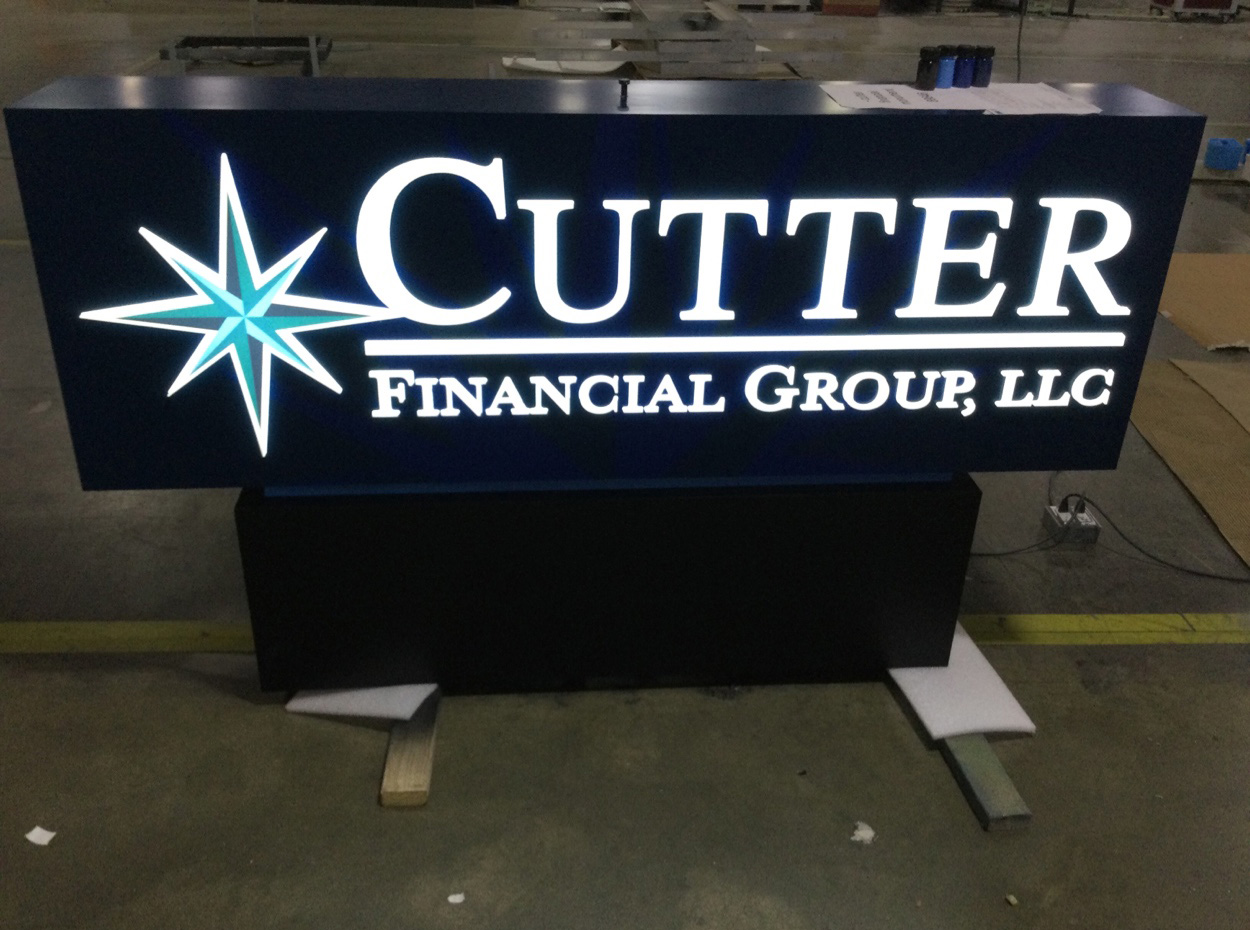
An illuminated cabinet sign, sometimes called a lighted sign cabinet, is an enclosed sign structure with a translucent face and an internal light source that makes the graphics visible after dark. The cabinet provides the structural enclosure, the face carries the customer’s branding or message, and the lighting system illuminates the face for consistent visibility.

For sign companies, selling the right cabinet means looking beyond dimensions and artwork; fabrication and sourcing matter just as much. When you outsource an illuminated cabinet sign, you need a fabricator that understands how those details work together and can build to the approved specifications.

Awning Innovations manufactures custom sign cabinets for sign companies nationwide. As a wholesale-only manufacturer, we work behind the scenes to provide the engineering and fabrication capacity sign shops need for specialty and overflow orders.

What Goes Into an Illuminated Sign Cabinet?

A lighted sign cabinet may look simple once it is installed, but there is more happening behind the face.

A typical illuminated cabinet incorporates a fabricated metal enclosure, one or more sign faces, an internal illumination system, electrical components, and the hardware required for the intended mounting method. Aluminum is commonly used for cabinet construction, including extruded aluminum framing. Depending on the design, translucent faces may be fabricated from acrylic or polycarbonate, allowing the internal light source to illuminate the graphics.

LEDs are commonly used as the internal light source in current cabinet fabrication. Proper LED placement matters because the face needs consistent illumination rather than bright and dark areas across the display.

The exact materials, dimensions, electrical layout, and structural details depend on the specifications for the job. Custom fabrication becomes particularly important when a cabinet has unusual dimensions, mounting conditions, graphics, or architectural requirements.

Awning Innovations offers four types of sign cabinets along with fully custom cabinet fabrication.

Explore Custom Sign Cabinets

How Are Cabinet Signs Illuminated?

Not every lighted sign cabinet uses light in exactly the same way. Sign companies should understand the lighting approach before quoting or sourcing a project.

  • Internally Illuminated: A light source sits inside the cabinet and shines through a translucent face. Internal illumination is a common configuration for cabinets that need strong nighttime visibility.
  • Externally Illuminated: The cabinet face is illuminated by fixtures positioned outside the sign rather than lighting housed inside the cabinet. This changes the electrical, mounting, and visual requirements of the project.
  • LED Backlit Face: LEDs installed within the cabinet illuminate a translucent acrylic or polycarbonate face from behind. LED placement, cabinet depth, face material, and graphic construction need to work together to produce even illumination.

The drawings and specifications should identify the required lighting method before production starts. Making that decision at the fabrication stage is much easier than trying to solve uneven lighting or incompatible components after installation.

What Should Sign Companies Know Before Selling an Illuminated Cabinet?

The end customer may start with a simple request: “We need a lighted sign.”

Your team has to turn that request into something that can actually be engineered, manufactured, installed, and serviced. Several project details deserve attention early.

Size And Viewing Distance

Start with where the sign will be installed and how customers will approach it.

A roadside cabinet designed for drivers traveling at speed has different visibility requirements than a building-mounted cabinet viewed from a parking lot. Dimensions, copy size, graphics, placement, and surrounding visual competition all affect readability.

A bigger face doesn’t automatically solve a visibility problem. The information on it still has to work at the expected viewing distance.

Face Material And Graphics

The sign face does more than carry artwork. Its material and construction affect illumination, durability, and fabrication.

Acrylic and polycarbonate are common translucent face materials for illuminated applications. The appropriate material and thickness depend on factors such as cabinet size, face construction, project specifications, and environmental exposure.

Graphics also need to account for illumination. Colors and materials that look one way during the day can behave differently when lit from behind.

Cabinet Depth

Cabinet depth affects more than the profile of the finished sign. An internally illuminated cabinet needs enough space for its structural and electrical components while allowing the lighting system to illuminate the face effectively.

Depth can also be constrained by architecture or installation requirements. Get those restrictions into the specifications before fabrication rather than treating cabinet depth as a standard number.

Mounting Conditions

Know where the cabinet is going before you order it. A wall-mounted cabinet, freestanding application, or cabinet incorporated into another sign structure can require different engineering and attachment details. Building materials, available mounting points, electrical access, weight, and local requirements may affect the final design.

Accurate field information gives the fabricator something reliable to engineer around.

Service Access

Illuminated signs eventually need service. A cabinet should account for access to lighting and electrical components without creating unnecessary work for the technician. Installation location matters here, too. A component that is simple to reach on the shop floor may be much less convenient several feet above the ground.

Thinking about service during design can save your team trouble later.

Why UL Certification Matters For Illuminated Cabinet Signs

Electrical signage brings requirements that a non-illuminated sign does not.

Awning Innovations is UL certified, an important consideration when sign companies outsource illuminated sign fabrication. For cabinet projects that require a UL-listed sign, fabrication needs to follow the applicable requirements so the completed electrical sign can carry the appropriate UL marking.

Don’t treat the electrical system as an add-on after the cabinet has already been designed. Illumination components, wiring, power supplies, component placement, and access all need to be addressed as part of the production plan.

For a sign company outsourcing fabrication, confirming UL capabilities with the manufacturer early can prevent a problem much later in the project.

Why Engineered Drawings Matter Before Fabrication

Artwork tells a fabricator what the customer wants the sign to look like. Production drawings tell the shop how it will actually be built.

Awning Innovations uses engineered CAD drawings and blueprints as part of its production process. The team reviews the project details, develops production-ready drawings, and builds according to the approved design.

For an illuminated cabinet sign, those drawings can document the details that need to remain consistent as a project moves into production. They also leave a record behind for repairs and replacements needed in the future.

What Should You Send a Cabinet Sign Fabricator?

A better quote starts with better information.

Before sending an illuminated cabinet project out for pricing, gather as much of the following as the project allows:

  • Overall cabinet dimensions
  • Artwork and branding specifications
  • Desired face construction
  • Illumination requirements
  • Mounting method
  • Installation location
  • Available electrical information
  • Relevant field measurements
  • Quantity
  • Required completion date
  • Any permitting or engineering requirements already identified

Some projects will arrive with every detail settled by the customer. Others won’t. Awning Innovations’ process is built around reviewing specifications and translating them into production-ready blueprints rather than relying on a piece-by-piece approach.

When Does Outsourcing Cabinet Sign Fabrication Make Sense?

Your shop doesn’t have to lack cabinet fabrication experience to benefit from outsourcing.

Capacity is often the bigger issue. A large illuminated cabinet can occupy valuable floor space and production time. A multi-location order can consume capacity your team already committed elsewhere. Other projects may call for equipment, engineering, or electrical fabrication capabilities that don’t make sense for your business to maintain for occasional orders.

Those jobs don’t have to become jobs you turn down. Awning Innovations works as an extension of sign companies that need additional capacity or fabrication capabilities. Our wholesale-only model means we’re manufacturing for sign professionals, not competing with them for their end customers.

That can be especially useful when your sales pipeline is moving faster than your production floor.

Source Your Next Cabinet Sign From Awning Innovations

Selling an illuminated cabinet is one part of the job. Getting the engineering, construction, illumination, and schedule right is where your fabrication partner earns its place.

Awning Innovations has spent more than 25 years helping sign companies expand what they can offer without adding the corresponding production burden. We manufacture custom signage for sign professionals nationwide, including sign cabinets and illuminated exterior signage.

Send us the project specifications. We’ll help you get it built.

Request a Quote

Illuminated Cabinet Signs FAQs

What Is The Difference Between An Illuminated Cabinet Sign And A Channel Letter Sign?

An illuminated cabinet sign contains the sign face and lighting within a larger enclosed structure. Channel letters are fabricated as individual dimensional letters, numbers, or logo elements, with each component forming part of the finished sign.

Cabinets provide a unified area for graphics and messaging, making them useful for many building-mounted and roadside applications. Channel letters create individually defined dimensional characters and are common on storefronts and commercial building elevations.

Awning Innovations fabricates both sign cabinets and channel letters, allowing sign companies to source the construction method that fits the project instead of working around a manufacturer limited to one product type.

How Are Illuminated Cabinet Signs Lit?

Illuminated cabinet signs are commonly lit internally, with LEDs positioned inside the cabinet to shine through a translucent sign face. LED layout, cabinet depth, face material, graphics, and electrical design all affect the finished illumination.

Some cabinet signs can also use external lighting rather than an internal light source. The project specifications should identify the intended lighting method before fabrication.

Are Illuminated Cabinet Signs UL Listed?

Illuminated cabinet signs can be UL listed when they are manufactured under the appropriate UL program and meet the applicable requirements. A sign should not be assumed to be UL listed simply because it is illuminated.

Awning Innovations is a UL-certified sign manufacturer, giving sign companies a wholesale fabrication resource for projects that require UL-listed electrical signage.

Backlit Channel Letters: When to Recommend Them and How to Source Them

For decades, channel letter signs have maintained their status as one of the most-requested signage solutions for commercial clients. As trends evolve and businesses look for more modern solutions, channel letters have evolved, too.

For businesses looking to bring a bright yet sophisticated brand design into their space, backlit channel letters are an ideal option to make a strong visual impact. To understand when backlit channel letters are a good fit for your customers and how outsourcing can help you deliver the highest quality sign installation, keep reading this blog.

Backlit, Reverse-Lit, and Halo-Lit Channel Letters: What’s Best for Commercial Signage?

Many sign industry professionals use backlit, reverse-lit, and halo-lit as interchangeable terms when referring to signage with internal illumination. However, there are important distinctions between each type of channel letter, and each has its own advantages depending on your client’s overall brand goals.

Reverse-Lit

Reverse-lit channel letters are typically made using all aluminum or stainless steel materials with LED lighting modules mounted inside each illuminated letter. The lighting is pushed back toward the wall to create a soft, refined halo around the signage.

The interior of each sign is coated in white gloss to create a stronger LED effect and a consistent illumination at night. Its metal construction can provide a smooth, minimalist design, but doesn’t offer as much opportunity for brand customization.

Halo-Lit

Unlike reverse-lit channel letters, halo-lit letters combine both front-lit and reverse-lit illumination to create a stronger glow.

ACM or clear polycarbonate backing is a common inclusion to protect the letters and create brighter light around trimless channel letters for a sleek modern appearance. Because the brightness is stronger, the halo effect is often the first feature customers notice about the signage.

Backlit

Backlit channel letters offer the most customization and variation in their illumination. They are suitable for both indoor and outdoor use due to their sturdy aluminum and stainless steel frames and corrosion-resistant materials. Letter depth can be customized to enhance the design and desired lighting level.

When You Should Recommend Backlit Letters

To evaluate which businesses will benefit most from backlit channel letters, you should consider several key factors about the physical space and your customer’s brand identity.

Building Materials & Installation Space

Because backlit channel letters reflect illumination off the wall behind them, they are best used on buildings with a premium material on their facade to highlight the architecture and professional presence. The effect of the backlit letters is subtle and refined, and they work most effectively when the building environment matches that appearance.

We frequently recommend backlit channel letters for businesses like:

  • Corporate offices
  • Professional services
  • Luxury retail stores
  • Hotels and hospitality venues
  • Medical campuses

These types of businesses are often set in buildings with more modern architecture and sophisticated finishes, and backlit channel letters can help amplify their overall premium look.

Brand Personality

A company’s brand personality is one of the primary factors to consider when evaluating its signage solutions. The glowing effect of backlit channel letters adds an understated, upscale look to signage installations, making them well-suited for brands positioning themselves as professional or luxury businesses.

Companies that may be the best fit for backlit letters often have a brand identity that focuses on:

  • Prestige
  • Subtle confidence
  • Professional appearance
  • Innovation
  • Specialized service

Backlit channel letters are not overly bold or eye-catching like many front-lit signage installations. Instead, they build on core brand values to offer added sophistication and premium detail.

Local Sign Codes

Many cities and commercial developments have strict regulation requirements regarding signage. For some commercial areas, including business districts and mixed-use developments, local sign codes discourage the use of bright front-lit signage due to increased light spill and glare.

In these environments, backlit channel letters are a common choice to satisfy sign codes and requirements. Their indirect illumination casts a softer glare that may be more likely to meet the area’s regulations. They can also be designed to complement the surrounding architecture of the district and help present a more upscale and uniform streetscape.

Customer Budget

Backlit channel letters are considered a long-term investment in the client’s brand identity. Because they can include premium finishes, added electrical work, complex fabrication, and specialized mounting materials, backlit letters can sometimes carry a higher cost upfront.

However, businesses with the budget to support backlit channel letters often report long-lasting value from their signage. Backlit letters provide strong nighttime brand visibility, which is important for businesses open during evening hours, and create a premium brand perception that supports high-end prices.

For your sign company customers who consider their storefront appearance to play a major role in their brand identity and customer experience, backlit channel letters are a valuable investment.

When to Outsource a Backlit Channel Letter Sign from a Quality Sign Fabricator

When customers depend on you for quality signage that fits their unique specs, you need a source that’s reliable and produces consistent, quality products. To find a source you can turn to for your backlit channel letter projects, look for a wholesale fabricator with experience producing several types of illuminated signage at scale.

They should offer precision fabrication with premium materials, reliable timelines for production, and compliance with both electrical and UL requirements. If backlit channel letters are an ideal choice for your next client, consult with a nationwide wholesale sign fabricator like Awning Solutions for a fully customized and streamlined process.

Why Sign Companies Work With Awning Innovations

For more than 25 years, we’ve been the go-to wholesale fabrication partner for sign companies across the country.

With our team working as an extension of your own, you get full-scale production facilities and fabrication support while keeping your name on the final project and control over the creative process. We begin each request with thorough reviews and blueprints to prevent future issues, and we work on efficient timelines to keep projects moving. Our team is also able to perform electrical sign work, specifically required for backlit channel letters.

When production is finished, you have a backlit channel letter sign that reflects the quality of your business, and your client gets a product that fits their specs and brand identity.

Ready to Serve Your Clients to Your Fullest Potential?

If you’re selling backlit channel letter projects to your customers and searching for an outsourced fabricator you can trust, talk to our team of experts to learn more about our custom solutions.

Contact Us

What Sign Shops Should Know About LED Channel Letters Before Their Next Order

Channel letters have been prominently displayed on company storefronts since the 1920s, and today, they’re one of the most requested signage solutions. Businesses are always looking for ways to improve visibility and elevate their brand presence, and illuminated signage is a simple way to do just that.

However, finding the exact products to make a lasting impression on potential customers requires intention that starts from the moment the sign is ordered. To make the most of LED channel lighting, sign companies should take a closer look at all their options before hitting “submit” on their next customer’s order.

In this blog, the experts at Awning Innovations, an industry-leading wholesale sign fabricator, walk through everything you need to know before your next LED channel letters sign project.

What Are LED Channel Letters?

LED channel letters are three-dimensional, individually made letters used for signage on building exteriors. At night, they light up, making storefronts visible from a distance and helping them stand out from surrounding businesses. For most uses, LED channel letter signs are constructed primarily from aluminum, but also feature an acrylic face that allows the internal lighting to shine through.

What to Look for in an LED Module for Outdoor Use

The LED module within the channel letter makes all the difference regarding long-term performance and quality.

Outdoor signs are constantly exposed to rain, temperature changes, and UV rays, so sign shops need LED components built to handle potentially harsh conditions. Look for products with an IP65 rating for outdoor use for the best results.

SMD LED modules are some of the most common for outdoor advertising displays and channel letters typically installed on storefronts. These surface-mounted LEDs are visible at a wide angle and spread light evenly. For businesses hoping for that halo effect, COB modules are a top choice.

The Different Types of LED Channel Letters

Businesses no longer have to settle for run-of-the-mill, basic lettering that fades into the background. Here are some of the most popular channel letter types made with energy-efficient LEDs:

Front-Lit Channel Letters

Front-lit channel letters are among the most common you’ll see on retail storefronts, and that’s for many good reasons. These letters feature bold illumination that keeps businesses visible not only at night, but during the day as well.

Reverse-Lit Channel Letters

Reverse-lit channel letters appear similar to front-lit ones, but they have a distinct, soft halo glow. LED lights are positioned to push light toward the wall, and the result is a unique yet refined look and evenly distributed lighting.

Halo-Lit Channel Letters

For a modern look, businesses opt for halo-lit channel letters. These letters bring a dual-lit effect to a storefront, with both forward-facing LEDs and halo illumination. Like reverse-lit channel letters, this style delivers a soft halo effect that stands out for both interior and exterior uses.

Front- and Backlit Channel Letters

For businesses that love the look of front-lit channel letters but want to take it a bit further, this option makes the most sense. Front and backlit channel letters feature both a forward-facing glow and rear illumination. The result is a diffused effect that looks sophisticated in a variety of different colors.

LED vs. Neon Channel Letters

Many sign shops get hung up deciding between LED channel letters and their neon counterparts when recommending a new sign solution to their customers. While neon signage used to be common for retail stores and restaurants, today’s modern aesthetic tends to prefer LED channel letters.

Let’s take a look at how these options differ.

Specifications for Neon and LED Lighting

Both neon and LED channel letters provide illuminated signage solutions, but the technology behind them is very different. Traditional neon signs use glass tubes filled with gas that glow when electrified, while LED channel letters rely on energy-efficient light modules housed inside fabricated metal letters.

Neon lighting:

  • Requires high-voltage transformers
  • Produces a continuous glow.
  • Uses glass tubing that can be fragile

LED lighting:

  • Uses low-voltage LED modules
  • Offers consistent brightness and illumination
  • Is compatible with various designs and allows for more customization

How Long a Channel Letter Power Supply Lasts

Lifespan is one of the biggest factors sign shops consider when comparing neon and LED signage. Outdoor signs are constantly exposed to weather conditions, temperature fluctuations, and daily operating demands, making durability essential.

While neon signs can sometimes last up to 15 years, their fragility is a major issue. LED channel letters can last 50,000 hours or more and stand up against weather exposure.

How Much Energy Do Different Types of Channel Letters Use?

Neon lights require much more energy compared to LED options. Since LED channel letters operate on low-voltage systems, they use significantly less power and could ultimately contribute to lower monthly electrical bills.

Electrical Maintenance for Long-Term Outdoor Performance

Maintenance can affect the total cost of ownership, and LED channel lights generally need less of it. Neon glass tubes break often, and frequent service can raise overall costs. Aluminum and stainless steel letters with LED lighting, on the other hand, feature more durable components and little need for more than routine maintenance.

Why Outsourcing Is Key For Illuminated Signs Projects

It’s a tall order to fabricate every type of sign, every specialty order, and every rush project entirely in-house. That’s why wholesale manufacturing has become a standard within the sign industry.

Outsourcing expands capabilities without investing in additional equipment, floor space, or labor. A trusted fabrication partner allows your team to take on more complex LED channel letter projects, accept overflow work, and keep customer timelines on track without stretching internal resources too thin.

You still maintain the relationship between your team and your customer, while behind the scenes, your manufacturing partner handles fabrication up to your standards.

When It Makes Sense to Outsource LED Channel Letters

Outsourcing isn’t reserved for emergencies. Many sign companies use wholesale manufacturing whenever it makes good business sense. Common situations include:

  • Overflow production: Your shop has reached capacity, but you don’t want to delay projects or turn down new work.
  • Specialty fabrication: A customer requests reverse-lit, halo-lit, or other custom LED channel letters that require capabilities your team doesn’t regularly use.
  • Large or multi-location orders: A single project exceeds your available labor or production schedule.
  • Aggressive timelines: Your customer needs signage installed on a tight deadline, and outsourcing helps keep the project on schedule.
  • Growing without expanding: You want to increase the number of projects you can accept without investing in more equipment, production space, or additional staff.

The best outsourcing relationships aren’t built around last-minute problems. They’re built around giving your business the flexibility to accept more work, protect delivery schedules, and continue providing customers with high-quality signage, regardless of what’s already on your production floor.

Awning Innovations: Your Sign Fabrication Partner

When you’re trusting another company to fabricate your channel letters, consistency matters just as much as craftsmanship.

For more than 25 years, Awning Innovations has partnered with sign companies nationwide to produce custom channel letters, specialty signage, and overflow projects. Every order is engineered to your specifications, reviewed before production, and built by a team focused exclusively on wholesale sign manufacturing.

Our 123,000-square-foot production facility gives sign companies the capacity to keep projects moving without sacrificing quality or delivery schedules. Add dedicated project support, detailed blueprints, and rigorous quality control, and you have a manufacturing partner that works as an extension of your business rather than just another vendor.

Place Your Next LED Order With Awning Innovations

Your next LED channel letter project deserves a manufacturing partner that’s ready to deliver. Request a quote from Awning Innovations, and we’ll help you keep your project on schedule with custom wholesale fabrication built to your specifications.

FAQs About LED Channel Letters

How Long Do LED Channel Letters Last?

The lifespan of a typical LED channel letter varies greatly depending on whether it runs constantly and how much maintenance it gets. Generally, LED letters last anywhere from five to ten years and provide 50,000-100,000 hours of illumination.

Are LED Channel Letters UL-Listed?

Yes, LED channel letters should be listed, as this shows they meet the proper safety standards. Awning Innovations provides UL-certified fabrication so sign shops can be sure they’re getting a product that meets expectations.

What Is the Difference Between LED and Neon Channel Letters?

The difference lies with the type of bulbs. Neon signs are fabricated with glass tubes filled with neon gas, and although they offer a classic look, they’re also easy to break. LED lighting, on the flip side, is more energy efficient and uses modular lighting to fit a wide range of styles.

How to Price Wholesale Channel Letters When You’re Outsourcing Fabrication

Winning a sign job is only half the battle. Pricing it correctly is what protects your profit.

If you’re outsourcing fabrication, the simplest way to price channel letter projects is to start with your wholesale cost, then add your desired margin, installation costs, project overhead, shipping, and any permit or service fees. You need to build a quote that covers your costs, delivers value to your customer, and leaves room for healthy profit.

After working with sign shops for more than 25 years, Awning Innovations has seen hundreds of approaches to pricing wholesale channel letters. The shops that consistently grow follow a repeatable process that helps them quote quickly, stay competitive, and avoid unexpected costs after the job is sold.

Why Pricing Gets Complicated When You Outsource

Outsourcing channel letter fabrication gives sign companies like yours the freedom to take on larger projects, specialty work like detailed custom logos, or overflow production without adding equipment or staff. The challenge is knowing how to price those projects so you’re not leaving money on the table.

Many shops make one of two mistakes: They simply double the wholesale cost without considering labor, overhead, or project complexity. Or they chase competitors’ pricing and discover too late that the job barely made a profit.

Neither approach creates predictable margins. Instead, build every quote from the ground up.

A Step-By-Step Framework for Pricing Outsourced Channel Letter Jobs

Every shop has its own pricing model, but this framework provides a reliable starting point.

1. Start With Your Wholesale Fabrication Cost

Request a detailed quote from your fabrication partner for every detail from the acrylic face down to the electrical equipment. A quality wholesale quote should include:

  • Fabrication for a specific size, scope, and even letter shape
  • LED lighting components/LED modules
  • Power supplies
  • Trim caps and returns
  • Mounting hardware
  • Shop drawings or engineering, when applicable
  • Packaging
  • Estimated production lead time

For many projects, wholesale fabrication is the highest cost. Having an accurate number upfront eliminates guesswork later.

2. Add Shipping Costs

Shipping varies based on letter size, quantity, destination, and freight requirements. Oversized projects, rush deliveries, or special crating can all affect transportation costs. Include those expenses before calculating your final selling price.

3. Calculate Installation Costs

Installation is rarely a flat number. Consider:

  • Equipment rentals
  • Lift requirements
  • Crew size
  • Travel time
  • Site conditions
  • Electrical connections
  • Permit requirements

Even if your installation crew is in-house, those labor hours deserve a place in your quote.

4. Include Your Business Overhead

Every project supports expenses beyond fabrication. Examples include:

  • Sales time
  • Project management
  • Design revisions
  • Administrative support
  • Insurance
  • Warranty administration
  • Office expenses

Ignoring overhead often explains why a job looked profitable on paper but didn’t generate much income.

5. Apply Your Desired Margin

Once your total project cost is calculated, apply the profit margin that fits your business goals.

Many sign companies target gross margins in the 30% to 50% range on channel letter projects, although actual pricing depends on market conditions, competition, installation complexity, and the level of service included. Shops with strong customer relationships often compete on reliability and responsiveness instead of trying to be the lowest bidder.

A consistent pricing strategy is usually more valuable than squeezing extra dollars from one project while underpricing the next.

Wholesale Versus In-House Production

Some shops assume manufacturing internally always costs less. That’s not necessarily true.

Producing custom channel letter signs requires equipment, experienced fabricators, dedicated production space, quality control, engineering, purchasing, and ongoing maintenance. Those fixed costs continue whether production is busy or slow.

Outsourcing shifts many of those expenses into a predictable project cost. For smaller shops, growing companies, and established sign businesses managing production backlogs, outsourcing often reduces financial risk while expanding the types of work they can accept.

Beyond Pricing: Quality Assurance and Other Traits of the Right Fabrication Partner

Pricing starts with accurate fabrication costs. Profit depends on everything that follows. An experienced wholesale manufacturer helps make both easier by providing:

  • Clear, itemized quotes
  • Accurate production schedules
  • Engineered drawings for approval
  • Consistent communication
  • Reliable quality control

At Awning Innovations, every project is engineered before production begins, and every customer works with a dedicated sales representative throughout the process. Our scheduling system provides dependable production dates instead of relying on a traditional first-in, first-out production queue.

Many channel letter orders ship in approximately three weeks, while similar projects elsewhere may take up to six weeks, depending on production capacity.

After nearly three decades supporting sign companies nationwide, we’ve learned that the businesses with the healthiest margins aren’t always the ones charging the most. They’re the ones pricing consistently, partnering with reliable manufacturers, and delivering projects on schedule.

Why Sign Companies Choose Awning Innovations for Channel Letter Signage

Finding the right wholesale fabrication partner isn’t just about getting a competitive price. It’s about knowing every quote is backed by a team that understands your business.

Awning Innovations works exclusively with sign companies across the country, helping them complete projects they don’t have the capacity, equipment, or specialized expertise to produce in-house. From one-off custom orders to multi-location rollouts, our team becomes an extension of yours.

Every project is engineered before production begins, with detailed CAD drawings submitted for approval before fabrication starts. Your order is assigned to a dedicated sales representative who serves as your single point of contact from quote to shipment. That level of communication helps eliminate surprises and keeps projects moving.

Our 123,000-square-foot manufacturing facility and advanced production scheduling system allow us to deliver many channel letter projects and a complete range of other signage options on time and on budget. Every sign also goes through multiple checks for absolute quality assurance in line with your own standards, with documented photos taken before shipment so you know exactly what’s arriving at the jobsite.

When your reputation depends on delivering quality signs on schedule, choosing the right fabrication partner protects more than your margins. It protects your customer relationships.

Build Better Quotes With the Right Manufacturing Partner

Your customers expect accurate pricing and dependable delivery. You don’t have to fabricate every sign yourself to meet those expectations. A consistent pricing process, accurate wholesale quotes, and a reliable fabrication partner give your business the tools to bid confidently, protect your margins, and take on more opportunities.

If you’re looking for a wholesale manufacturer that understands the demands of commercial signage, Awning Innovations is ready to help. Whether you need overflow production, specialty fabrication, or a long-term manufacturing partner, our team is here to support your growth behind the scenes.

Request a quote today to learn how we can help you deliver high-quality channel letter projects on schedule while keeping your business focused on winning the next job.

Frequently Asked Questions For Better Channel Letter Returns

What Margin Should a Sign Shop Make on Channel Letters, like LED-Illuminated Channel Letters?

There isn’t a universal percentage. Many sign companies target gross margins between 30% and 50%, adjusting based on installation requirements, competition, project size, and customer expectations. Your pricing should account for fabrication, labor, overhead, shipping, and the value your company brings to the project.

How Do Wholesale Channel Letter Prices Compare to In-House Production Costs?

Wholesale pricing often eliminates the fixed costs associated with maintaining fabrication equipment, production space, and specialized labor. For many shops, outsourcing becomes more cost-effective when production volume fluctuates, or projects require capabilities they don’t maintain in-house.

What Is Included in a Wholesale Channel Letter Quote?

Most wholesale quotes include fabrication, materials, LED components, power supplies, mounting hardware, packaging, and estimated production lead times. Depending on the manufacturer, engineering, shop drawings, and additional services may also be included. Always review the quote carefully so you understand exactly what is covered before pricing the job for your customer.

Improving Turnaround Time On Channel Letter Production Without Sacrificing Quality

Fast turnaround has become the expectation in commercial signage. Customers want permits approved, installs scheduled, and signs on the wall with minimal lag. Channel letters often sit at the center of that pressure. They are highly visible, customized, and a popular signage type.

The challenge for sign companies is balancing speed and quality because cutting corners is never an option. However, rushed channel letter production leads to a multitude of bottlenecks that reverse the initial time saved.

Improving channel letter project timelines is possible. It just does not come from working faster in the shop. It comes from working smarter across the entire production process.

Why Channel Letter Project Timelines Get Compressed In the First Place

Channel letters often are the final component to complete your customers’ projects. By the time fabrication is approved, permits have already dragged on, site conditions have shifted, and other trades have absorbed more time than planned. What starts as a reasonable production window quickly collapses into a narrow gap between approval and install.

That pressure creates a difficult reality for sign companies. Channel letters cannot be rushed without consequences. Every build requires precision, from letter depth and lit letters to raceways, mounting methods, and power requirements. When those details are rushed or skipped, the problems show up in the field, where fixes cost more time and far more frustration.

This is where many shops feel trapped between speed and quality. The real challenge is not finding a way to work faster. It is finding a way to protect quality while timelines tighten around the project.

And that way is made clear by wholesale-only channel letter fabrication partner, such as Awning Innovations.

Outsourcing a Channel Letter Sign: Creating Maximum Efficiency in Channel Letter Production

When timelines compress, efficiency becomes the difference between a smooth install and a stalled project. This is where outsourcing channel letter production becomes a strategic advantage.

A wholesale-only manufacturing partner removes friction at the exact point where most delays occur. Instead of forcing rushed decisions internally, you hand off fabrication to a team built for these overflow and specialized projects. As a result of outsourcing to the right partner, lit channel letters advance through production without competing for the same time, space, and attention.

The key is choosing a partner who operates exclusively at the wholesale level, as Awning Innovations does. With our proven approach, the entire process is engineered, scheduled, and executed to support sign companies working against tight project timelines, not to fill a retail calendar.

That is how outsourcing turns compressed schedules into manageable ones.

5 Strategies to Expedite Production While Maintaining Quality

There are a few ways any sign company can improve its channel letter turnaround time and prioritize quality signs. These same strategies are key traits to look for when choosing a wholesale manufacturer to reach this goal.

Speed Comes From Front-End Discipline, Not Shop Shortcuts

The fastest channel letter projects are rarely the ones that move the quickest through fabrication.

Engineering and documentation set the pace for everything that follows. When drawings are complete, approved, and accurate, fabrication moves without stops. This is why the experienced wholesale manufacturers, like the team at Awning Innovations, emphasize engineered processes. Detailed CAD drawings, clear specs, and documented approvals reduce midstream changes.

Predictable Scheduling Beats Promised Speed

Many fabricators advertise fast lead times. Fewer can hit them consistently. The problem is their scheduling philosophy.

First-in, first-out systems struggle when these dimensional letters vary in complexity and size. One oversized or highly customized job can slow everything behind it, even smaller projects that should move more quickly.

Improving channel letter project timelines requires a scheduling system that accounts for capacity, complexity, and workload balance. Awning Innovations uses a structured scheduling approach that distributes work across production buckets instead of stacking orders. That allows our team to commit to realistic completion dates and hit them, even when volume is high.

Quality Control Is a Time-Saving Tool

Quality control is one of the most effective ways to protect turnaround time. Defects can create delays during installation, return shipments, and extended project closeouts. Each issue adds days or weeks that were never part of the original schedule.

Consistent quality control keeps channel letter production moving forward. Inspections at each stage catch issues before they become field problems. Documentation ensures replacements can be produced quickly if service is ever needed.

With our detailed QC process, every channel letter project goes through documented inspections and is photographed before shipping. That extra step reduces surprises and gives sign companies and their customers confidence that what arrives on site is ready to install.

Communication Keeps Projects Moving

Fast production means little if communication slows everything down. Improving turnaround time requires clear, consistent communication from start to finish. How else do you know if your customer wants front-lit channel letters or a different type of open-face channel letters?

Awning Innovations assigns dedicated contacts to every client. That continuity matters. Details do not get re-explained on every order, and expectations stay aligned. Clear communication from our project managers and sales reps keeps channel letter projects going full steam ahead.

Capacity Helps, But Only With Structure

While adding more space, more equipment, or more staff can help, it’s really only beneficial when it’s paired with process. Unstructured capacity creates new bottlenecks, and orders can quickly pile up.

With 123,000 square feet of production space and the staffing to support it, Awning Innovations is built to handle volume without losing control. Capacity is matched with scheduling, engineering, and quality systems that keep channel letter production efficient instead of chaotic.

That balance allows sign companies like yours to offload work without introducing new risks to their timelines.

Experience Faster Fabrication Without Cutting Corners

There is a big difference between a vendor who promises speed and a manufacturing partner who delivers it consistently. We’ve spent more than 25 years helping sign companies nationwide. As a wholesale-only manufacturer, we work behind the scenes to help you build front-lit letters, halo-lit letters, reverse-lit letters, and front and back-lit letters.

If channel letter timelines are creating stress in your operation, it may be time to change how production is handled. Talk to our team at Awning Innovations and see what happens when speed and quality stop competing with each other.

Choosing The Right Manufacturing Partner For Wholesale Channel Letter Signs

Channel letters are a cornerstone of commercial signage. But tight timelines, engineered details, electrical requirements, and consistency across builds leave little room for error. When production capacity or in-house expertise hits a ceiling, the partner you choose matters.

Selecting the right channel letter fabrication company is not about finding someone who can just bend metal and install LEDs. It is about protecting your reputation, your margins, and your ability to keep saying yes when customers expect answers.

Here is an expert perspective on how to choose the right partner for wholesale channel letter signs and why the decision carries more weight than many sign companies realize.

Why Wholesale Channel Letter Signage Fabrication Requires an Expert Touch

Wholesale channel letter fabrication is invisible by design. Your customer never sees who built the letters. They see your name on the paperwork, your team on the lift, and your reputation on the wall. So the standard is different right out of the gate. 

A retail-focused fabricator can aim for “finished.” A wholesale partner has to aim for “repeatable,” because you’re not buying a one-time product. You’re buying a process you can trust on every order.

That process gets tested where channel letters usually live in the schedule: at the end. Permits clear late, the site finally opens up, and suddenly the sign becomes the last critical piece before an install can happen. If the letters miss the window, your customer’s entire project stalls.

Reliability, in this context, is built from a few non-negotiables working together. Engineered drawings that close gaps before metal gets cut. Lead times you can plan around instead of “best guesses.” Communication that resolves details fast, not after three voicemail loops. Fabrication quality that installs cleanly the first time, so the field crew isn’t fixing shop problems at the wall.

When those pieces lock in, wholesale channel letter production stops being a risk you manage and starts being a system you can scale. So, how do you identify such a reliable partner in the sign industry?

Traits of a Good Wholesale Channel Letter Fabrication Company

Choosing a wholesale partner is not about chasing the lowest bid or the fastest promise. It is about identifying a fabrication team with the following key characteristics, which separate vendors who simply produce signs from partners who help you grow without adding risk.

Capacity Is Only Part of the Equation

Many sign companies start the search for a manufacturing partner because they are overloaded. More orders than staff. More complexity than equipment. More pressure than time.

Capacity matters, but it is not the whole story.

A shop with extra floor space does not automatically solve your problems. Without structure, additional volume creates new bottlenecks. What you want is capacity paired with process.

That means a manufacturing partner who can absorb overflow without losing control of schedules or specs. It means knowing where your order is, when it will ship, and how it was built.

Awning Innovations was built for this exact scenario. With 123,000 square feet of production space and a disciplined scheduling system that balances workload instead of stacking it, we take on volume without sacrificing accuracy.

Engineering and Documentation Separate the Professionals

Channel letters are not guesswork projects. Letter depth, returns, faces, illumination, raceways, and mounting methods all need to be resolved before fabrication starts. A reliable wholesale partner engineers every job and documents every step.

At Awning Innovations, each channel letter project starts with detailed CAD drawings. Those drawings are reviewed and approved before production begins. Every sign is blueprinted. That documentation becomes part of the project record.

This level of detail reduces installation issues and prevents field surprises. It also matters years later when a letter needs service or replacement. Many shops skip this step to save time. That shortcut usually shows up later as rework, callbacks, or frustrated installers.

Scheduling Should Be Predictable, Not Hopeful

Lead time is one of the biggest differentiators in the production of wholesale channel letters. Everyone promises speed, but few deliver it consistently.

Traditional first-in, first-out scheduling sounds fair, but it breaks down under pressure. One complex job can slow everything behind it. A strong manufacturing partner schedules based on capacity, complexity, and workload, not just order date.

Awning Innovations operates with a structured scheduling system that balances jobs across production buckets. That approach allows our team to commit to specific completion dates and hit them. With the staffing and infrastructure to support that system, volume never comes at the expense of accuracy.

Quality Control Protects Your Brand

When you outsource channel letters, the finished sign still reflects directly on your business. Your customers expect the same level of quality every time, regardless of who fabricated the sign.

Quality control needs to be built into every step of the process. That includes materials, fabrication, illumination, and final inspection.

Awning Innovations maintains UL certification and follows documented quality checks throughout production. Every job is photographed and reviewed before shipping. That visibility gives you confidence before the crate leaves the floor.

Fewer defects mean fewer callbacks. Fewer callbacks mean stronger margins and better customer relationships.

Communication Is a Production Tool

Many manufacturing issues are not technical. They are communication failures. A wholesale partner should feel like an extension of your team, not a black box.

At Awning Innovations, every client works with a dedicated sales representative and project management contact. You are not re-explaining your standards on every order. The team knows how you work and what matters to you.

Clear communication speeds up approvals, reduces errors, and keeps projects moving. It also makes problem-solving faster when conditions change, which they often do in real-world signage.

Range of Channel Letter Capabilities Matters

Not all channel letter shops handle the same scope of work. Some focus on basic front-lit letters. Others struggle with specialty builds or tighter tolerances.

A strong partner should support the full range of illuminated letters with LED lights, so you do not have to limit what you sell.

Awning Innovations fabricates a wide variety of channel letter signs, including:

  • Front-Lit Channel Letters
  • Reverse-Lit Channel Letters
  • Front and Back-Lit Channel Letters
  • Non-Illuminated Channel Letters
  • Front and Halo-Lit Letters with Trimless Faces


That flexibility allows you to match the sign to the site, the brand, and local code without compromising on quality or timeline.

Wholesale Means Your Customer Relationship Stays Intact

One of the biggest concerns sign companies have about outsourcing is losing control. That fear is valid if the partner is not truly wholesale.

A wholesale-only manufacturer works for you, not around you. Awning Innovations does not sell directly to end users. We fabricate custom signage exclusively for sign companies, brokers, and national providers. 

You keep the relationship. You set the expectations. Your name stays on the project. That structure allows you to grow without diluting your brand or handing work to a competitor.

Growth Without Adding Overhead

Building channel letters in-house sounds appealing until you run the numbers. Equipment, space, skilled labor, training, and ongoing maintenance add up quickly. Outsourcing to the right manufacturing partner turns fabrication into a variable cost instead of a fixed burden.

Some clients use Awning Innovations for specialty channel letters they do not want to tackle internally. Others rely on us during peak seasons when internal schedules are full. Large sign companies lean on our capacity to keep national rollouts on track.

Our model adapts as your sign business changes. You do not need to build a bigger shop to take on more work. You need a partner like our team who can scale with you.

More Than Channel Letters Under One Roof

Channel letters are often part of a larger signage package. Cabinets, decorated faces, awnings, and digital video boards are often ordered from the same sign company.

Working with multiple fabricators on varying sign projects increases coordination risk. Luckily, Awning Innovations fabricates a full range of exterior signage, all custom and built to order. Keeping more of the project under one roof simplifies scheduling and keeps details aligned across sign types.

Choosing an Outsourcing Partner That Gets What Is at Stake

The right channel letter manufacturing partner removes barriers that keep you from profitable deals. Awning Innovations has spent more than 25 years supporting sign companies nationwide as a wholesale-only manufacturer. 

If channel letter fabrication is limiting your capacity or complicating your workflow, it may be time to rethink how you approach production. Talk to the team at Awning Innovations. See what changes when fabrication becomes a strength instead of a bottleneck.

Request a Quote


Why Channel Letters Remain a Top Seller for Commercial Clients and How to Capitalize on Demand

In commercial signage, trends come and go. Materials change. Technology advances. Installation methods evolve. Yet one product continues to hold its ground year after year: channel letter signs.

For sign companies serving retail, restaurant, healthcare, financial, and multi-tenant commercial clients, channel letters remain one of the most requested solutions on the market. This staying power is not accidental. Channel letter signs solve real problems for commercial businesses, and they do it very reliably.

That demand represents steady revenue, repeat business, and strong margins when production is handled the right way. Understanding why channel letters continue to outperform other sign types makes it easier to sell them. And knowing how to meet demand without overextending your shop is what turns popularity into profit.

Why Channel Letter Signs Continue to Dominate the Commercial Signage Industry

Commercial clients want business signage that works hard without constant explanation. Channel letters check that box.

They deliver immediate brand visibility from a distance, day or night. Individually fabricated letters create depth, dimension, and clarity that flat signs struggle to match. For national brands and local businesses alike, that dimensional presence reinforces credibility before a customer ever walks through the door.

Another factor driving long-term demand is flexibility. Channel letters adapt to nearly every building type and business category. Shopping centers, standalone retail, medical offices, office parks, and restaurants all rely on them because the format scales cleanly. A single storefront or a 200-location rollout can use the same sign type with predictable results.

From a design standpoint, channel letters also give commercial clients room to protect their brand standards. Fonts, colors, illumination styles, and mounting methods can be dialed in precisely. That matters to franchises and multi-location operators who cannot afford visual inconsistency.

When business owners ask for the best signage for commercial businesses, channel letters remain a safe, proven answer.

How High Demand Creates Pressure on Sign Companies

Consistent demand is good for business until it stretches internal capacity.

Channel letters require precision fabrication, electrical expertise, and thorough quality control. As order volume increases, many sign companies like yours face the same challenge: saying yes to more work without compromising delivery timelines or craftsmanship.

Equipment limitations, staffing constraints, and floor space all become bottlenecks. Hiring and training additional fabrication staff takes time. Expanding facilities requires capital. Turning away work is rarely an option when competitors are ready to step in.

This is where many shops feel the squeeze. Channel letters sell easily, but producing them at scale can strain even experienced operations.

Capitalizing on Demand Without Expanding Your Shop

Growth does not always require more square footage or new machinery. Often, it requires the right partner.

Working with wholesale-only channel letter sign manufacturers allows sign companies to take on more projects without absorbing the production burden. Outsourcing fabrication keeps your team focused on sales, project management, and customer relationships while production moves forward in parallel.

The key is choosing a partner that understands your standards and protects your reputation.

Awning Innovations operates exclusively as a wholesale sign manufacturer, supporting sign companies nationwide. For more than 25 years, we have fabricated custom signage as an extension of our clients’ operations, not as a competitor.

That distinction matters. There is no risk of end-user overlap, no confusion over brand recognition, and no diluted relationships.

Attract Customers: Wholesale Manufacturing Strengthens Channel Letter Sales

When channel letter demand spikes, speed and predictability become just as important as price.

Awning Innovations is built to help you increase order volume without sacrificing control. Our 123,000-square-foot facility supports high-capacity production, while an internal scheduling system prioritizes jobs based on scope and capacity rather than a rigid first-in, first-out queue. That approach allows for precise delivery commitments instead of vague lead times.

Every channel letter project is fully engineered and blueprinted before production begins. That documentation reduces errors, simplifies installation, and provides long-term value if repairs or replacements are needed years later.

Quality control is not an afterthought. Each step is inspected, documented, and photographed before shipping. For sign companies, that transparency removes guesswork and protects their name in front of their customer.

This level of structure allows sign providers to sell channel letters confidently, knowing production will support the promise.

Offering More Custom Signs Without More Risk

Channel letters are not one-size-fits-all, and commercial clients know it.

Front-lit, reverse-lit, open-face, and even non-illuminated channel letters all serve different aesthetic and regulatory needs. Depth, stroke width, mounting methods, and illumination levels vary from project to project. Managing that complexity in-house can slow down sales or limit what a shop is willing to offer.

Partnering with a manufacturer that specializes in custom fabrication expands your menu without increasing risk. Awning Innovations produces multiple channel letter styles with customization built into the process. That flexibility helps sign companies say yes more often, even when specifications fall outside their typical comfort zone.

The result is a broader offering that still feels controlled.

Channel Letters as a Foundation for Long-Term Growth

Channel letters do more than generate single transactions. They open doors.

Commercial clients who start with outdoor business signs often return for additional needs. Monument signs, cabinet signs, awnings, and digital displays frequently follow. Channel letters become the entry point to a larger relationship.

By meeting demand consistently and professionally, sign companies position themselves as reliable partners rather than one-off vendors. That reputation drives referrals, repeat business, and multi-location opportunities.

Wholesale manufacturing support makes that growth sustainable. Instead of overloading internal teams, sign providers can scale gradually while maintaining quality and delivery standards.

Be Ready When Channel Letter Demand Hits

Awning Innovations works quietly in the background of your business, fabricating channel letter signs that meet spec, hit schedules, and protect your reputation. You keep the relationship. We handle the build of channel letters, digital signs, awnings, custom wall signs, and so much more.

That approach turns steady demand into steady growth, without the stress that comes from doing it all in-house. When channel letters continue to lead the conversation around the best signage for commercial businesses, being prepared to deliver at scale is what separates busy shops from successful ones.

Contact Us

Channel Letters vs. Other Types of Commercial Signage: What to Offer When Your Customer Wants Custom Branding

When one of your customers orders a sign, they are asking for a final product that will live on their building and represent their business every day, while also meeting code, budget, and timeline requirements. It’s up to your experienced sign company to guide the conversation, recommend the right commercial signage, and deliver without overextending your shop.

Channel letters often lead that conversation, as one of the most popular types of signage across the country. But they are not always the right answer. Knowing when to recommend channel letters and when another signage solution makes more sense helps you protect margins, close deals faster, and keep projects moving. This is where experience, options, and a reliable wholesale channel letter fabrication partner, like Awning Innovations, matter.

This breakdown is designed to help you position channel letters against other types of commercial signage so you can offer confident recommendations when a new sale is on the line.

Why Channel Letters Are the Go-To for Custom Signage

Channel letters remain one of the most requested forms of commercial signage for a reason. They are flexible, recognizable, and adaptable across industries, from retail and restaurants to healthcare and corporate campuses.

At a base level, channel letters offer three advantages that customers care about immediately: visibility, brand accuracy, and perceived quality. When you source your channel letters from a fabrication expert like Awning Innovations, each letter is fabricated individually. This allows for precise logo replication, consistent colors, and dimensional depth that flat signs cannot achieve.

Illumination options expand their value. Front-lit, reverse-lit, combo-lit, and halo-lit channel letters give customers choices that align with brand personality and local sign codes. A national brand may want uniform front-lit letters across dozens of locations. A boutique business may lean toward halo illumination for a more architectural look.

From a sales perspective, channel letters are an easy entry point into a custom branding discussion. Customers recognize them. They have seen them. They trust them. That familiarity makes it easier to move from concept to approval.

Where Custom Channel Letters Can Fall Short

Channel letters are not a universal solution. In some environments, they create more friction than value.

Production Capacity

From a production standpoint, channel letters demand precision. Engineering, spacing, mounting methods, and electrical considerations all need to be resolved before fabrication begins. This is where your sign company may feel the squeeze. Demand is high, but the internal capacity to engineer and produce at scale may not be. And that’s where Awning Innovations comes in.

Customer Budget

Budget is often another initial limiter. Fully illuminated channel letters require more material, labor, and electrical coordination than simpler sign types. For cost-sensitive customers, the investment may not align with their expectations.

Awning Innovations focuses on high-quality fabrication and cost-effectiveness so your customers can get the sign they want without spending unnecessary money.

External Limitations

Architecture is another factor. Older buildings, tight facades, or historic districts can restrict depth, lighting, or mounting options. In these cases, channel letters may conflict with code or aesthetics.

Visibility distance also matters. Channel letters work best when viewed at pedestrian or parking-lot range. For businesses that rely on roadside traffic or long-distance visibility, other commercial signage options may perform better.

Knowing these limits allows you to pivot early in the conversation and propose alternatives that still support strong branding.

Beyond Channel Letters: Alternative Commercial Signs That Still Deliver Strong Branding

Custom channel letters are not the only way to solve a custom sign request. Depending on the site, the budget, and how the sign will be seen, other forms of commercial signage can be the smarter recommendation.

Sign Cabinets as a Practical Alternative

Sign cabinets are often positioned as traditional or basic, but that undersells their value. When used correctly, cabinets provide high visibility, durability, and cost control.

  • Roadside Exposure: Sign cabinets deliver consistent illumination and legibility at distance. They are easier to service, simpler to install, and often more forgiving in challenging environments.
  • Branding Benefits: Cabinets can still be customized. Our fabrication process allows you to incorporate logos and brand colors without the complexity of individual letters.
  • Production Timelines: Cabinets can be a smart recommendation when speed and simplicity matter. They reduce installation variables and can streamline permitting in jurisdictions that prefer enclosed signage.

Cabinets are a strategic choice that can fit your customer’s location, audience, and budget.

Decorated Faces and Flex Faces for High-Impact Branding

Decorated faces offer another path to custom sign branding, especially for larger formats or unique shapes. Flex faces, rigid faces, and fully custom-decorated panels from Awning Innovations allow for bold graphics and uniform illumination across wide surfaces.

These options shine when logos are complex, multi-colored, or graphic-heavy. Instead of breaking a design into individual letters, the entire brand presentation lives on one face.

For customers with large facades or monument-style signage, decorated faces can create a visual impact that channel letters cannot match at scale. They are also well-suited for rebrands, where faces can be replaced without rebuilding the entire structure.

Slimbrite Letters and Architectural Applications

Slimbrite Letters sit between traditional channel letters and flat signage.

They offer illumination and dimensionality with a slimmer profile, making them ideal for interior branding or exterior applications with depth restrictions. When customers want a modern, clean look, Slimbrite Letters often fit the bill. They pair well with corporate offices, medical facilities, and upscale retail environments.

These letters are not a replacement for standard channel letters, but they expand what you can offer when architectural constraints or design preferences rule out deeper builds.

Digital Building Signs for Greater Flexibility

Digital signage introduces a different kind of branding conversation. Instead of a static display, customers gain the ability to change messaging, graphics, and promotions over time.

For some businesses, this flexibility is the brand. Restaurants, event venues, and multi-tenant properties often prioritize changeability over permanence.

Digital signage does not replace channel letters. In most cases, it complements them. A strong branding package may include channel letters for primary identification and digital displays for messaging.

Understanding how these elements work together allows you to upsell strategically without complicating the project scope.

Matching the Sign Type to the Customer’s Brand Story

The real decision is not channel letters versus other commercial signage. It is alignment.

Brand personality, viewing distance, environment, and budget all influence the right recommendation. Your role is to translate those factors into a sign solution that works in the real world.

This is where many sign companies feel pressure. Customers want answers quickly. They expect expertise. At the same time, internal teams may be stretched thin, especially when multiple custom projects hit at once.

Partnering with a wholesale manufacturer that engineers every sign, documents every build, and maintains predictable lead times, like Awning Innovations, removes friction from that process. You can focus on guiding the customer and closing the deal, knowing production is handled with precision.

Expanding What You Can Offer Without Overextending Your Shop

Offering channel letters alongside cabinets, decorated faces, Slimbrite letters, and digital signage positions you as a problem solver, not a catalog. But it also raises a practical question. How do you support all of that without adding equipment, staff, or floor space?

This is where subcontracting becomes a growth strategy instead of a fallback. With the right partner, you can say yes to custom branding requests without risking delays or quality issues.

Awning Innovations supports sign companies nationwide as a wholesale-only manufacturer focused on custom fabrication. With more than 25 years in business, a 123,000-square-foot facility, and a disciplined scheduling system, we help sign providers deliver channel letters and other commercial signage on time and to spec.

Every build is documented. Every client works with a dedicated project manager and sales rep who understands their standards and workflow. That structure matters when your reputation is tied to the finished product.

Turn Custom Branding Requests Into Profitable Projects

By understanding where each sign type excels and by working with a manufacturing partner that removes capacity barriers, you can take on more complex projects without adding stress to your operation.

That is how you protect margins, strengthen client relationships, and keep saying yes to the work that drives growth. If you are looking to expand what you offer without overloading your shop, it may be time to talk to a team that builds signs smarter.

Contact Us

How Sign Companies Can Offer Channel Letters Without Investing in In-House Fabrication

Channel letters are one of the most requested sign types in the market. They’re also one of the most demanding to produce. Precision engineering, electrical expertise, UL compliance, tight tolerances, and consistent quality all come into play. For many sign companies, the opportunity is there, but the infrastructure is not.

That gap creates a big business problem. Customers expect channel letters. You want to say yes. But building a fabrication shop from scratch or training and expanding your team isn’t always an option. Both come with real costs and long-term risk.

There is another way forward. One that protects your margins, your reputation, and your capacity: Outsourcing sign fabrication to an experienced, trusted partner that makes wholesale channel letters for sign shops, like Awning Innovations.

The Real Cost Of Bringing Channel Letter Fabrication In-House

At first glance, in-house production feels like control. But the reality of channel letter fabrication can quickly spin things out of control for smaller or more speciality sign companies.

You’re looking at significant capital investment in equipment, additional square footage, specialized labor, electrical testing capabilities, and ongoing training. Then come the hidden costs. Downtime during learning curves. Rework from early mistakes. Scheduling conflicts when higher-margin jobs stack up.

Even well-established sign companies hit these limits. Shops that already fabricate internally often find themselves backlogged, especially when permits finally clear and timelines compress. Channel letters don’t wait patiently at the back of the line.

The result is lost opportunities, stressed teams, and projects that feel heavier than they should.

How an Outside Sign Partner Expands Your Channel Letter Capabilities Overnight

From retail storefronts to national brands, channel letters have become the default for exterior identification. They’re bright, clean, and scalable across locations. Your customers see them everywhere, so they assume you provide them.

Saying no is rarely an option. Passing the job to a competitor is worse.

The challenge isn’t demand. The challenge is delivery.

This is where a wholesale partner changes the equation. Outsourcing doesn’t mean giving up control. Done correctly, it gives you more control than ever before.

By working with a wholesale-only manufacturer, like Awning Innovations, you gain access to full-scale production without carrying the overhead. You keep the client relationship. You own the specs. Your name stays on the project.

Wholesale channel letters allow you to quote confidently, accept more work, and maintain predictable timelines, even when your internal team is at capacity. The key is choosing a partner who understands what’s at stake when your reputation is attached to every sign.

Why Choose Awning Innovations For Your Customers’ Channel Letter Signs

Awning Innovations has spent more than 25 years doing one thing well: building custom signage for other sign companies.

We approach channel letter fabrication as an engineered process. Every project begins with detailed CAD drawings. Specs like letter shape are reviewed, refined, and approved before fabrication starts. That structure reduces surprises in the field and prevents the last-minute issues that slow installs.

Blueprints are created for every job. That level of documentation is not an industry standard, but it matters. Years down the line, when a letter needs service or replacement, the information already exists. No reverse engineering. No guesswork.

With 123,000 square feet of production space and a deeply structured scheduling system, we handle volume without sacrificing accuracy. Jobs are not simply processed first-in, first-out. Orders are scheduled based on capacity and complexity, allowing for realistic delivery dates that consistently beat sign industry averages.

That difference matters when channel letters are the last piece needed before an install at the site can move forward.

Variety of Channel Letter Signs

At Awning Innovations, we can custom fabricate a wide range of channel letter types using quality materials and state-of-the-art fabrication practices and technology.

  • Front-Lit Channel Letters: The most common channel letter style, illuminated through the face of each letter. Ideal for maximum visibility and strong brand presence on storefronts and building facades.
  • Front & Back-Lit Channel Letters: Dual-illumination letters that project light through the face while also creating a halo effect behind the letter. A solid option when the goal is both readability and visual depth from the translucent acrylic face.
  • Non-Illuminated Channel Letters: Fabricated letters without internal lighting, often used where illumination isn’t required or allowed. Built for durability and clean presentation using premium metals and finishes.
  • Reverse-Lit Channel Letters: Also known as halo-lit letters, these project light onto the mounting surface from behind the letter, creating a subtle, upscale glow. Reverse channel letters are common for architectural applications and high-end branding.
  • Front/Halo-Lit Channel Letters With Trimless Face: A refined combination style featuring front illumination and a halo glow, paired with a trimless acrylic face for a seamless, modern appearance. Designed for brands that want precision and polish without visual clutter.

No matter the illumination style or design complexity, outsourcing to our team means you can always meet the exact specs of every order.

Speed Without Shortcuts

Lead time is one of the biggest reasons sign companies turn to wholesale channel letters. What takes six weeks elsewhere often ships in three at Awning Innovations.

That speed is not rushed production. It’s the result of scale, staffing, and a planning system built to move work through efficiently.

Every step includes quality control. Each project is documented and photographed before shipping, giving you visibility and peace of mind before the crate ever leaves the floor. Fewer defects mean fewer callbacks. That saves time long after the custom logos are installed.

Protecting Your Brand With Consistent Quality

When you outsource channel letters, you’re not outsourcing responsibility. Your customer sees the final product as a reflection of your business and your team.

Awning Innovations is UL-certified, and every sign is built to the approved design. Materials, illumination, and construction methods are chosen for longevity, not just appearance. Many products carry a five-year warranty. In the rare case that service is needed, documented builds allow for faster replacements without pulling the entire sign back to the shop.

That level of professionalism helps you deliver on promises without stretching your internal resources thin.

Flexibility For Shops Of Every Size

Wholesale channel letters are not just for small shops. They’re just as valuable for large sign companies and national providers.

Some clients rely on Awning Innovations for specialty builds they don’t want to tackle internally. Others use us for overflow when internal schedules are packed. Brokers rely on our team as a trusted production partner.

The common thread is flexibility. You decide when to outsource. You decide how much to keep in-house. The partnership adapts as your business evolves. You don’t need to build a bigger shop to grow. You need the right support when demand spikes.

Channel Letters And More Under One Roof

Channel letters are only the start when it comes to working with an outside fabricator. Awning Innovations fabricates a complete range of exterior signage, all custom and built to order, including sign cabinets, decorated faces, awnings, and digital displays.

That breadth simplifies coordination and reduces the risk of mismatched components across a project. Having one partner who understands the full scope—desired shape, size, color, and type of sign—keeps projects moving and communication clean.

Take The Next Step With Awning Innovations Today

If channel letter orders are slowing you down, it’s time to rethink your operational capacity. Talk to the team at Awning Innovations. See what changes when fabrication stops being a bottleneck and starts being a strength.

Request a Quote